
Concept
This project was my chance to go through the full production process with a real band: recording them in a studio, then mixing and mastering their song for release.
The story
Finding METROPOLIST
I found METROPOLIST, a progressive metal band, on social media. They already had a song, Possession. What they needed was a producer who could get it recorded, mixed and mastered, ready for professional audio platforms. We shared a lot of musical interests, so I proposed working together.
September 19
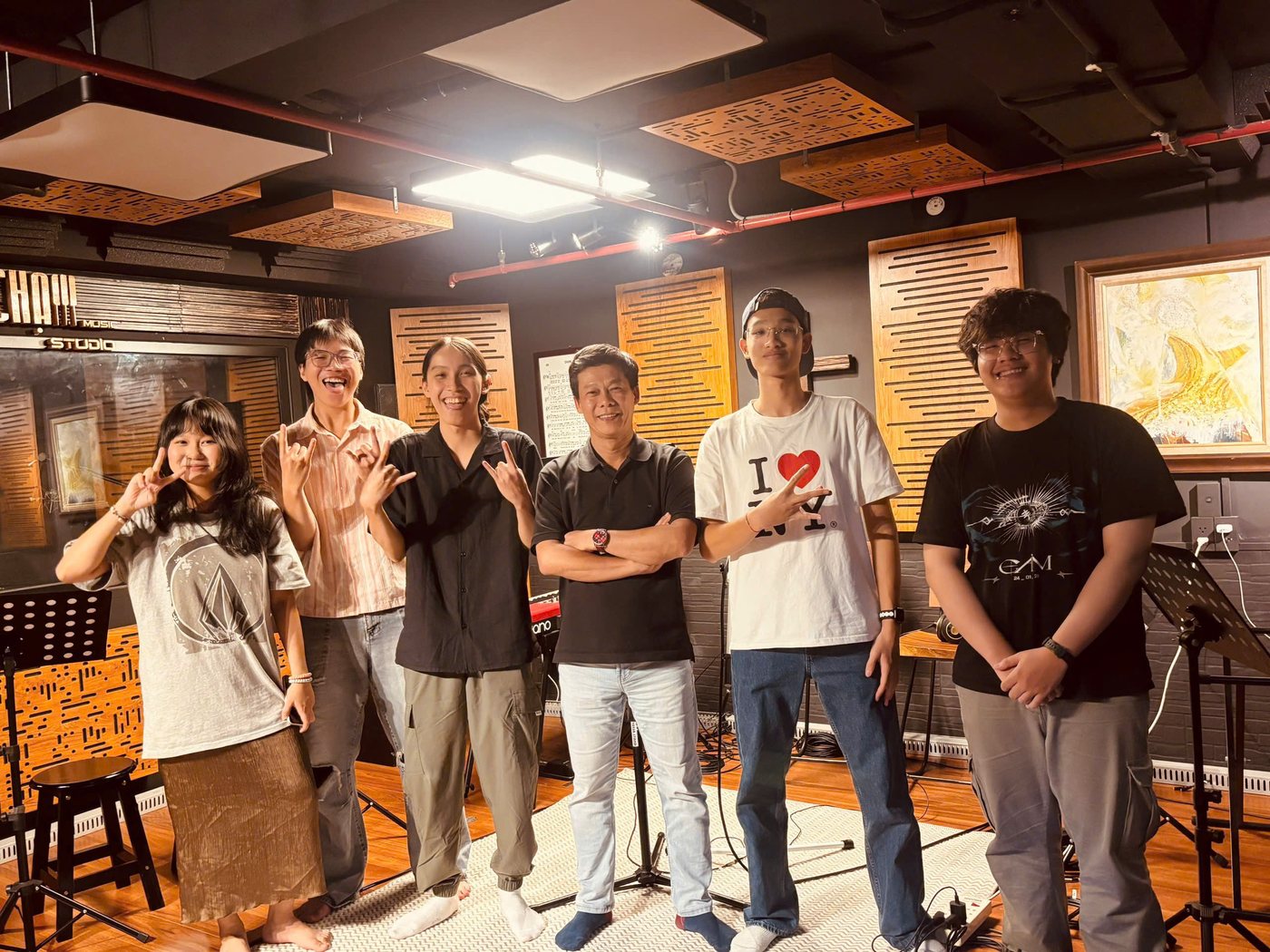
CHẠM Music Studio
I chose CHẠM Music Studio in Ho Chi Minh City on the recommendation of an acquaintance, one of the well-known sound engineers in the city. My job was to take on the role of a professional producer, to better understand the career I want. Before the session, I was the go-between, passing information between the band and the studio’s engineer.
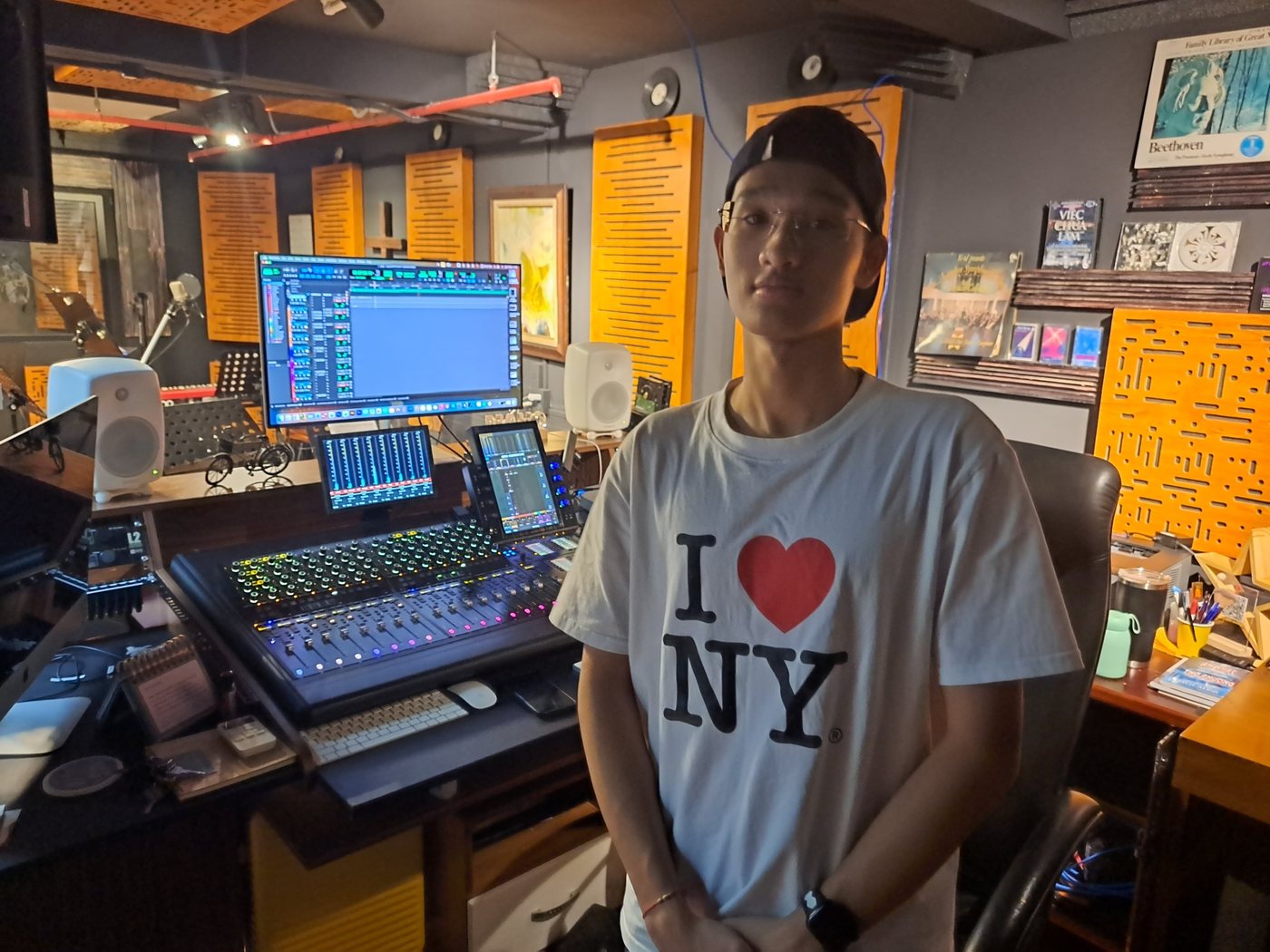
One instrument at a time
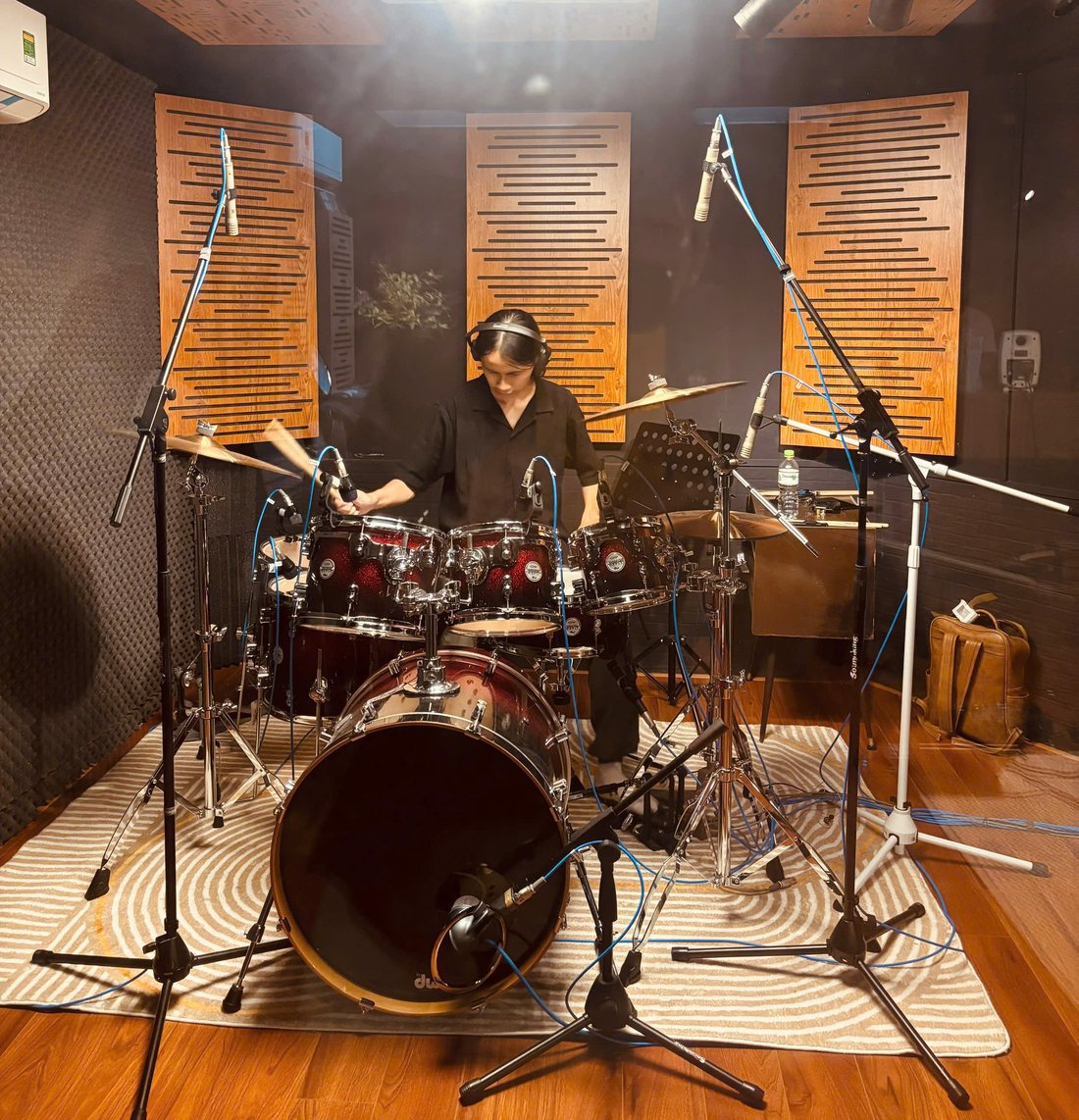
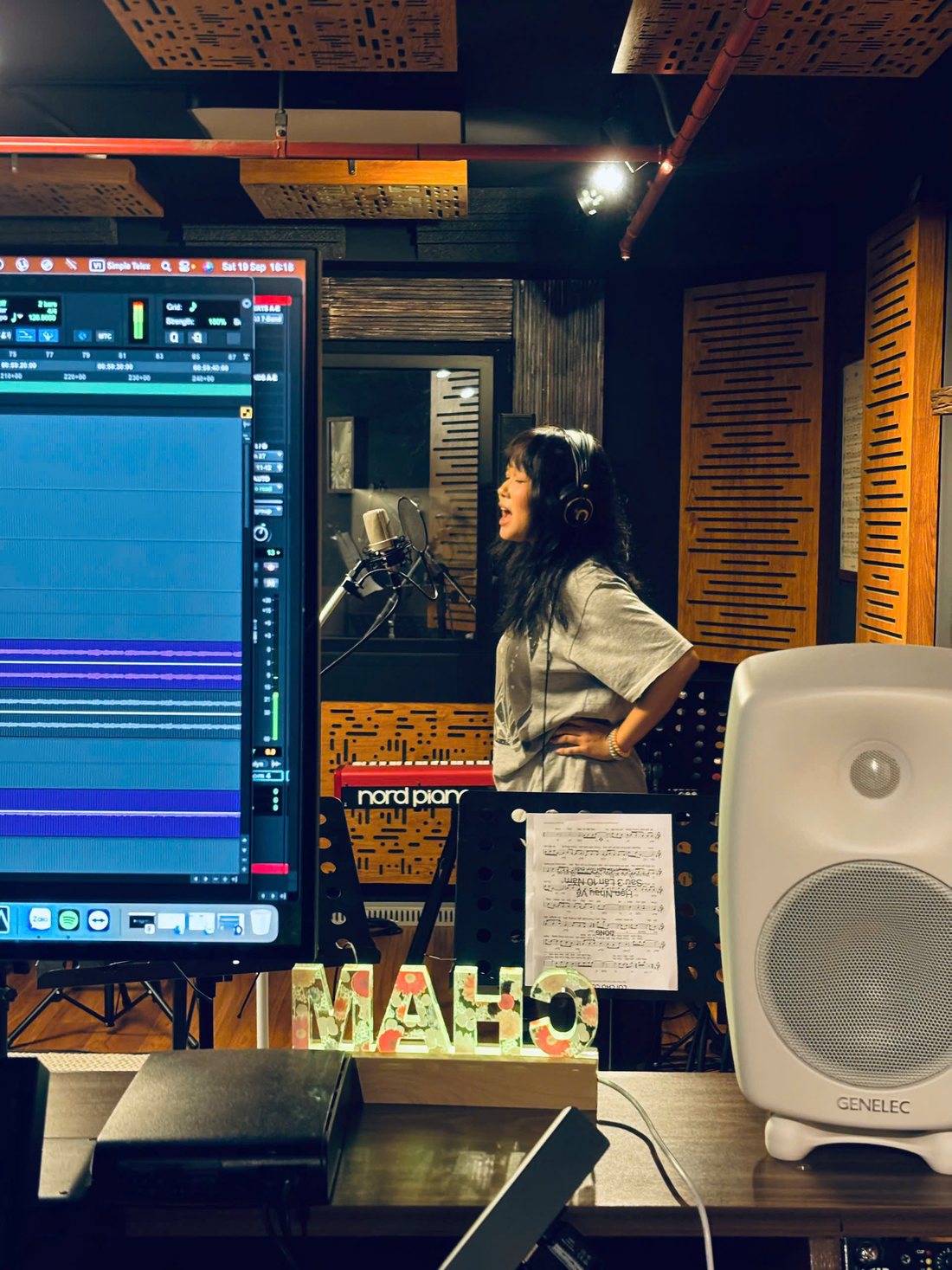
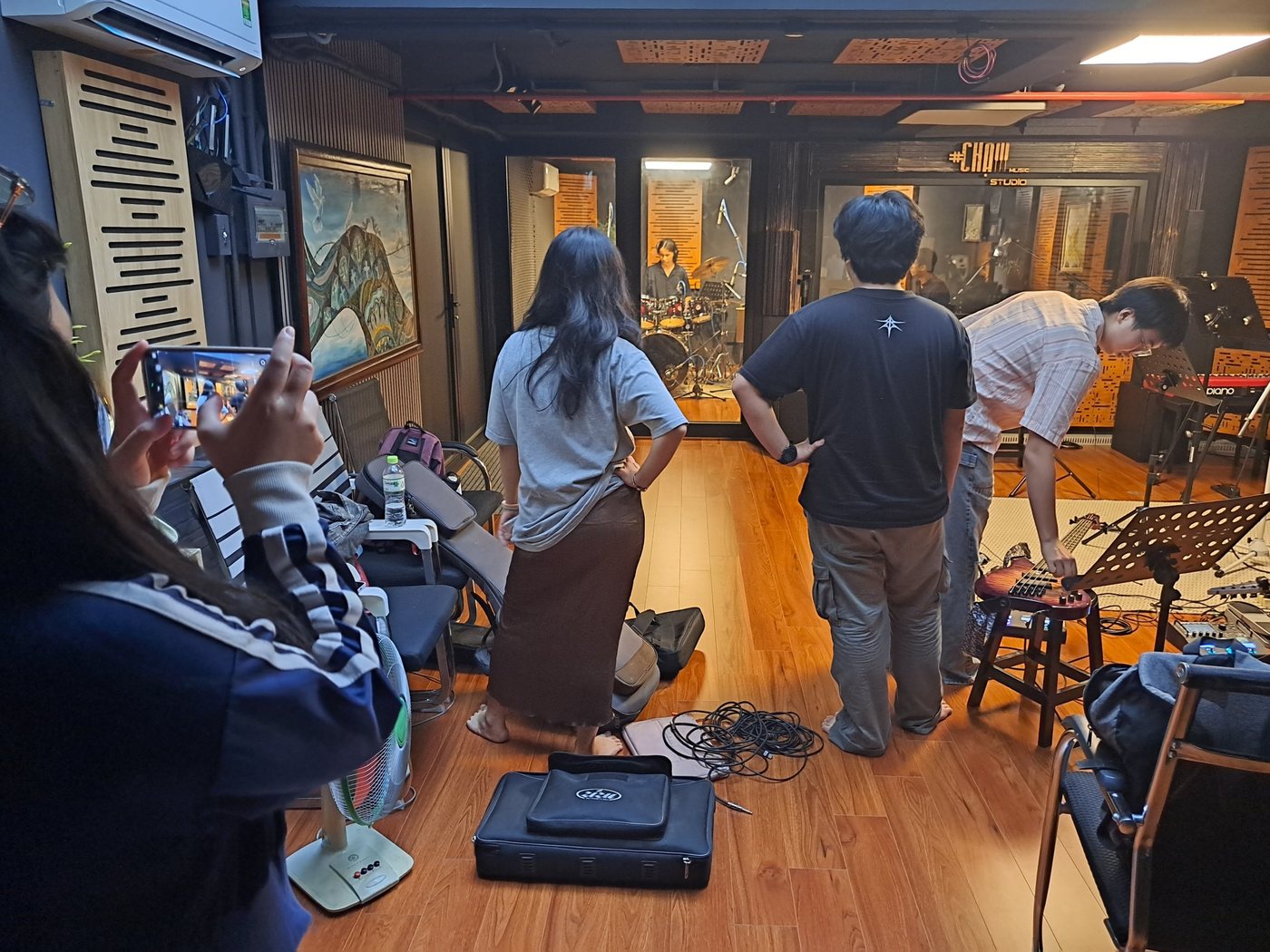
Each instrument was recorded separately, so the order mattered: drums first, then bass, rhythm guitar, lead guitar and the guitar solo, then the lead vocal, and last the vocal arrangements, including the screams. During the session, I managed that order to keep everything moving smoothly and efficiently.
A session like this is long and tiring for the musicians. I brought drinks and snacks, checked that everyone had what they needed between takes, and asked for their ideas before giving my opinion. It was their song, and I wanted them to feel at home in the studio, because a relaxed band plays better.
I was also guided through the studio’s hardware, the recording software and practical audio processing, and I helped with microphone placement. It was a rare chance to work directly with professional studio equipment.
Taking the song home
After the session, I asked for the multitrack files, took them home and began mixing and mastering Possession. The band was very happy with the result, and they want to work with me again on future projects.
How I made it
What I did
I helped record the band: I assisted with microphone placement, monitored the recording, and coordinated the studio workflow as each instrument was recorded. After the session, I mixed and mastered all 20 tracks in FL Studio, including a synth pad I designed for atmosphere and texture behind the band.
The song
The song opens at full force, with fuzz guitars, bass and drums from the first second. At the band drops out, and a clean guitar plays over my synth pad. The full band comes back at , and the lead vocal enters soon after.
At the fuzz guitars return and the song gets heavier. Around , the backing vocals repeat through a delay that carries the phrases further. The guitar solo starts at , and the song closes with a short outro from .
Mixing and mastering
I applied EQ to each track to remove unwanted frequencies and shape its tone, making space for the vocals and instruments while keeping the weight and fullness of the mix. I grouped the drums, bass, guitars and vocals into separate buses, kept the lead vocal on top without losing the band’s intensity, and brought the guitar solo forward.
On the drums, I used selective room reverb for a shared sense of space, and drum-bus compression to control the dynamics while keeping the impact. For the lead vocal, Fruity Reverb 2 gave depth without losing clarity. On the backing vocals, I combined reverb with automated delay in two passages to extend the phrases. My synth pad has wave-like panning automation that sweeps across the stereo field and returns to the center.
For mastering, I raised the level with a limiter, checked the exported loudness and true peak, and compared the song with a reference track. That comparison helped me fix balance problems, especially between the kick and the guitars.
What I learned
Working for someone else’s band taught me that a producer’s job starts long before the mix: finding the right studio, passing information between people, and keeping the session moving so the band can focus on playing. I also learned how much the hardware matters: where each microphone is placed and how every cable is connected shape the sound before I touch a single plug-in. A good recording gives me much more to work with. Most of all, I realized that my job isn’t always about changing the music to fit my taste, but about understanding how the musicians want their music to sound.