Concept
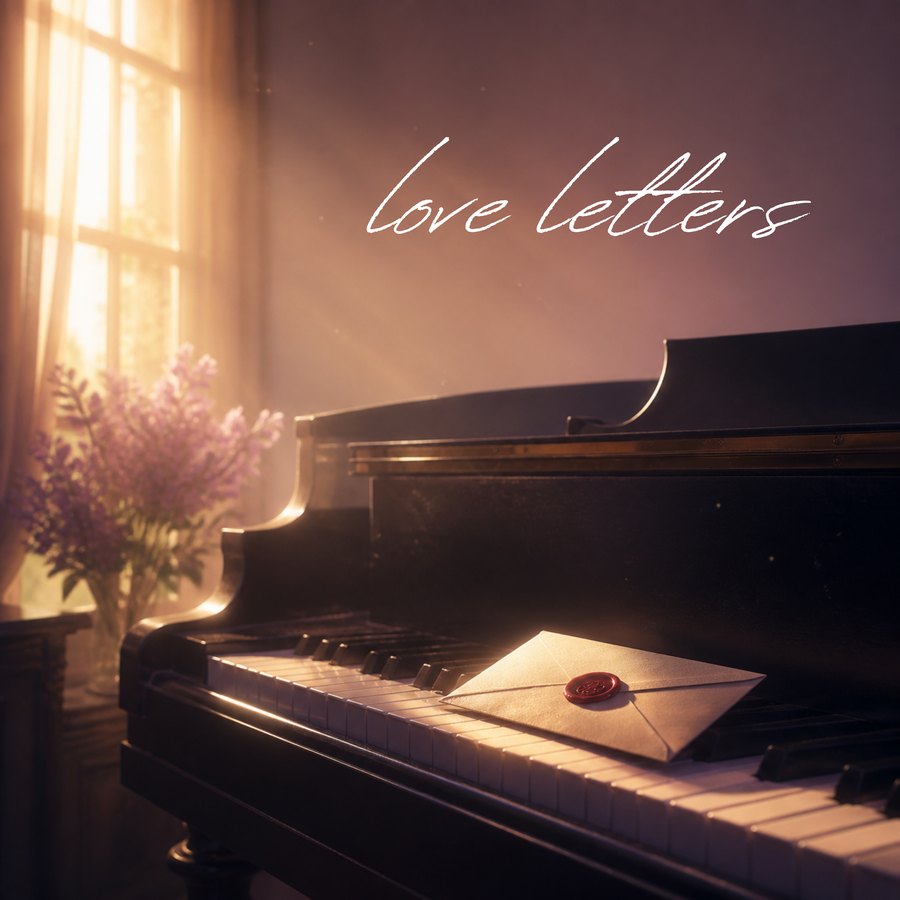
Love Letters is a short film about two characters, Tâm and Minh. My job was to give a sound to the feelings they don’t say out loud. I wrote three piano pieces for different moments of the film, and they all share one musical identity.
The story
A graduation party
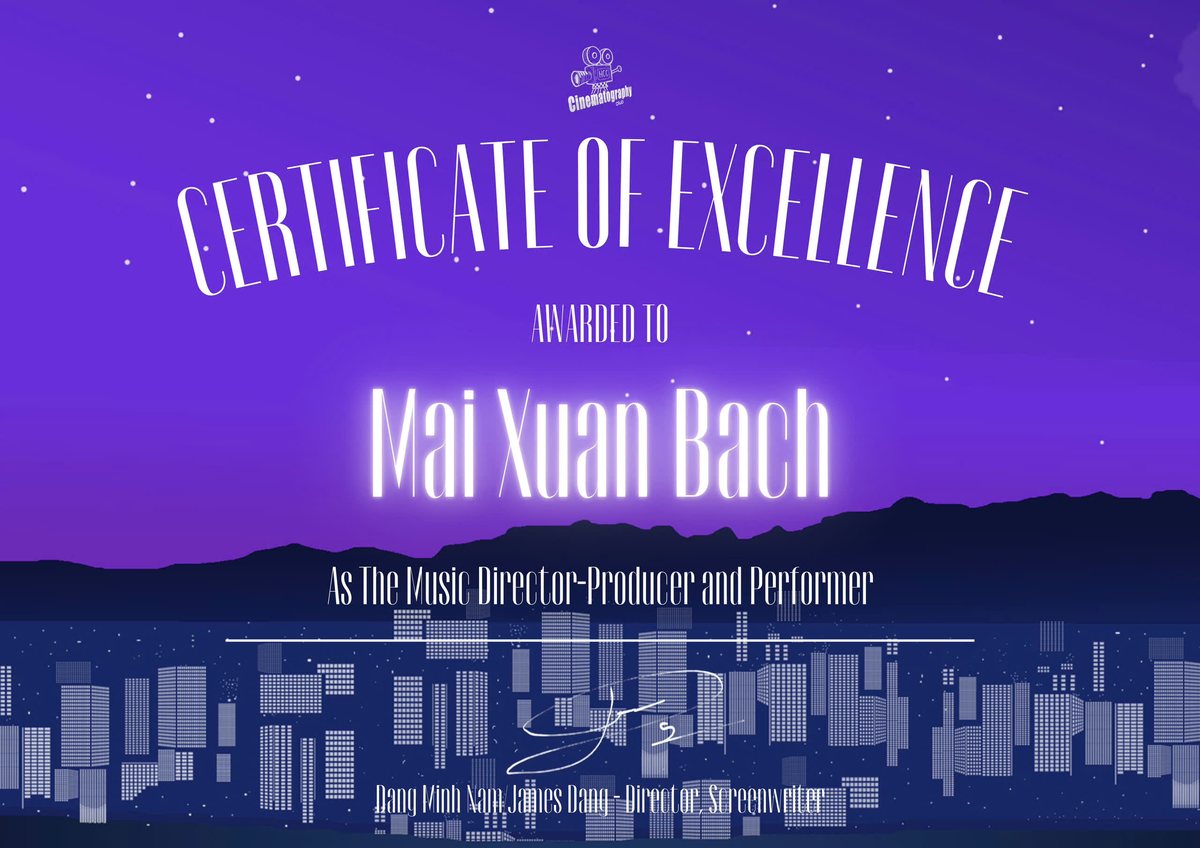
I was playing piano at my friend’s graduation party when a mutual friend introduced me to Nam, a director working on an ambitious short film. He needed someone to compose the music and to play the piano in some scenes. I accepted. I thought exploring another area of music could only deepen my understanding of it.
Three pieces for one film
Where the Lights Found Us is Tâm and Minh’s theme, the main melody of the film. The teaser piece became the music for the trailer. Sound of the Intersection lasts only 26 seconds. Writing it taught me that in a film, the music sometimes has a few seconds to set the mood, then it has to step aside.
Before this project, I had never taken my own music this far, from an idea at the piano to a recording for a film. I worked with Nam on the mood and pacing of each piece. As I became more comfortable discussing ideas with him, I found myself enjoying the responsibility of shaping the film’s musical direction.
Recording the grand piano
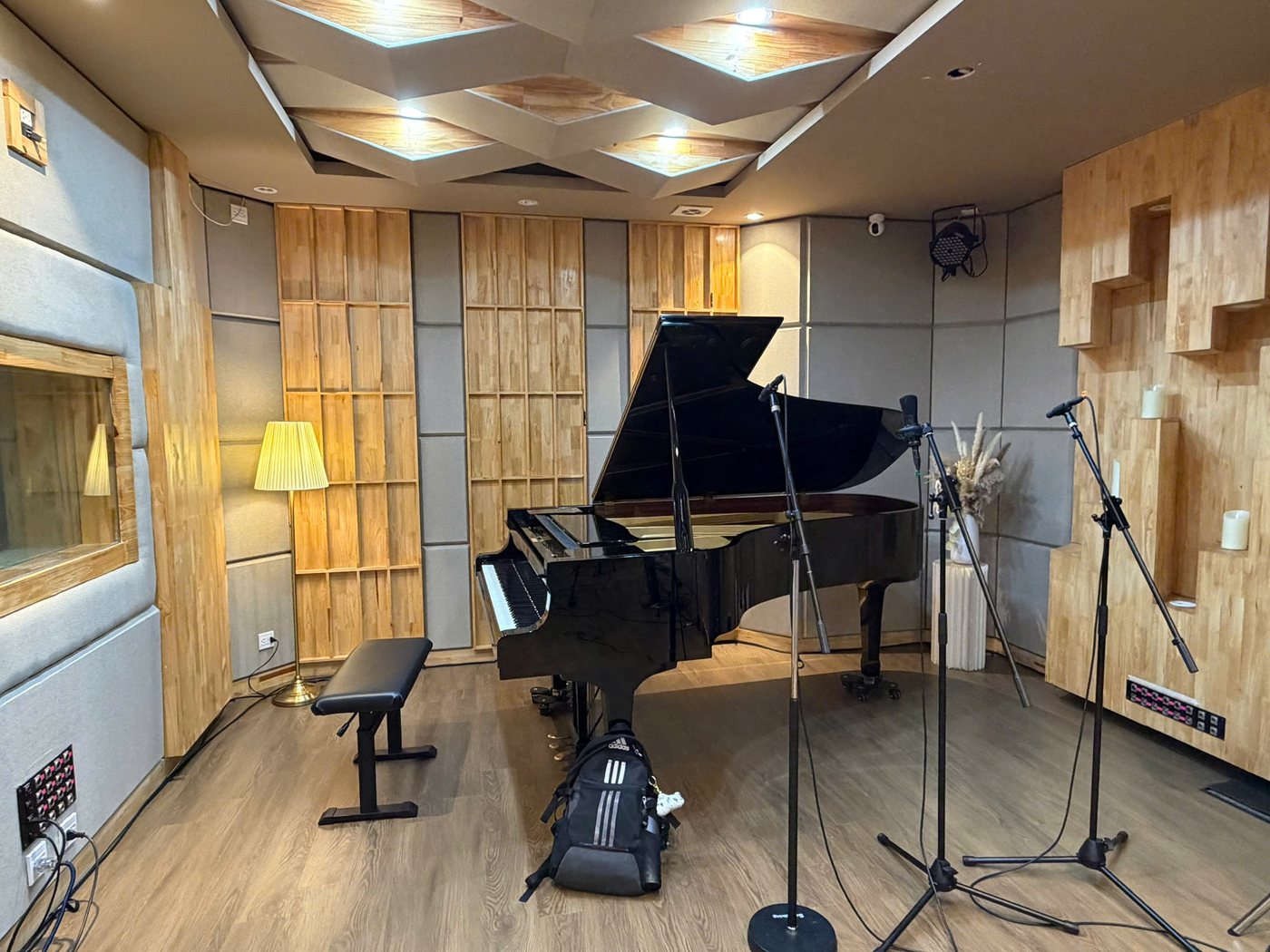
I performed all three pieces myself on a grand piano at ZEBRA Music Studio in Hanoi. The studio’s technicians placed the microphones around it. Each one captured the same performance from a different position, and deciding how to blend them was my job later, in the mix.
July 5
On set
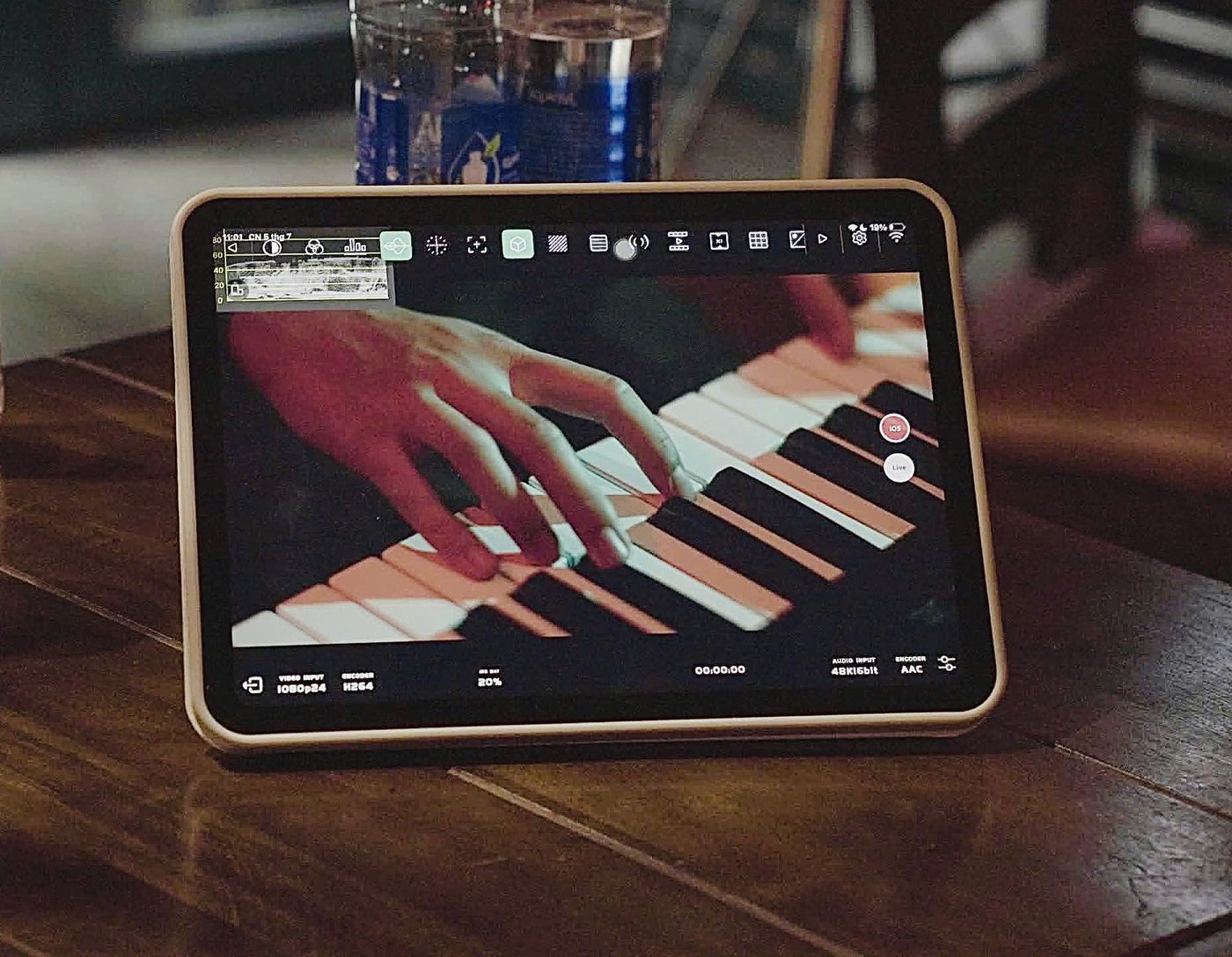
On the shooting day, I joined the crew on set. In the scenes where a character plays the piano, the hands on the keys are mine. I had to play every note accurately, because the camera was close enough to show if the fingers didn’t match the music.
How I made it
What I did
I composed all three pieces, performed them for the studio recording, and produced, mixed and mastered them myself in FL Studio. I worked with the director on what each scene needed, and used phrasing and dynamics to shape the emotion of each moment.
Mixing and mastering
The recording gave me several microphone tracks of the same performance. You can see them in the session: a pair labelled 184, a pair labelled 414, and a center microphone labelled 840. I compared them, checked their polarity and stereo placement, and looked for the clearest, most balanced combination. I used EQ to reduce low-frequency rumble and soften distracting pedal noise, with subtle stereo widening where needed.
With LuxeVerb, I shaped the piano’s sense of space by adjusting the reverb amount and decay. I wanted a lingering tail that supported the intimate atmosphere of the film, while keeping the melody and the attack of each note clear.
For mastering, I opened each exported mix in a separate FL Studio project. Fruity Limiter brought the final level up and kept the loudest peaks under control, with the gain, ceiling, attack and release set for each piece. I listened closely to make sure the piano’s attack and natural decay stayed the same, and that the soft and strong phrases kept their contrast.
What I learned
Hearing my music alongside the scenes taught me how even a small change in the way I play can change how a scene feels. In a film, the music is not the main character. Its job is to serve the story.