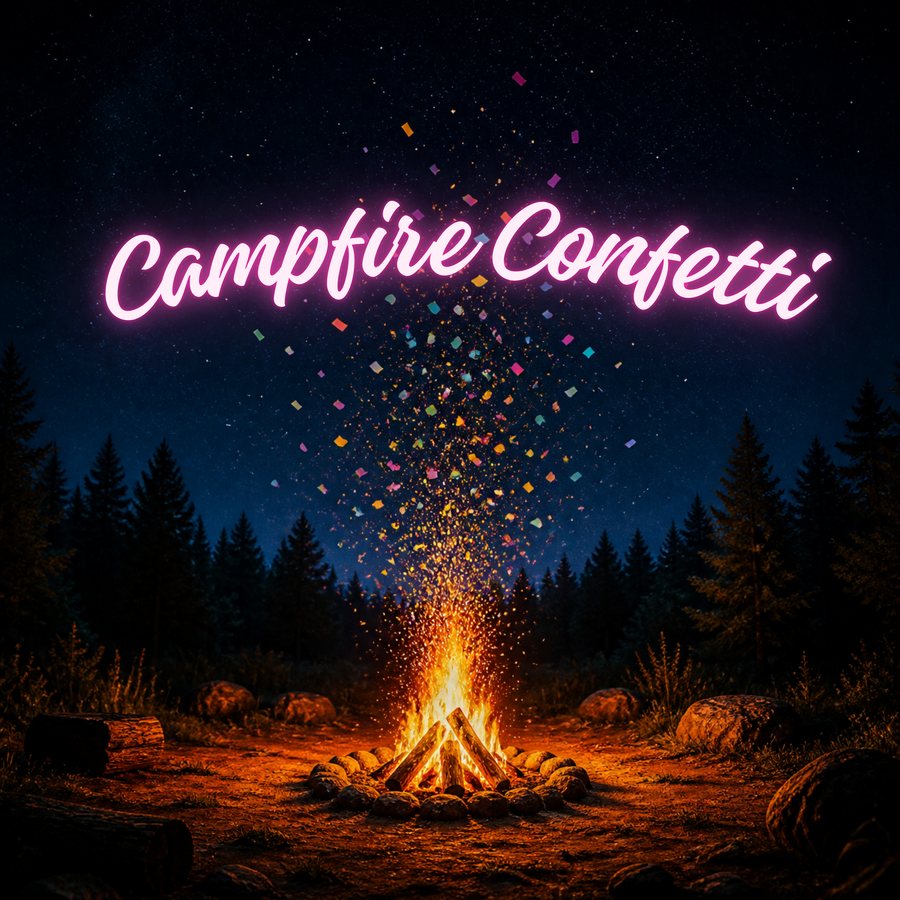
Concept
To express the excitement of summer camp through an uplifting pop anthem for young audiences. The idea was to create a bright, welcoming atmosphere that reflected the energy of Go Camps and encouraged a sense of connection.
The story
March 20
The first session
The work began on March 20, 2026, with FL Studio open on my screen and almost no idea how to use it. My father had bought me the Producer Edition. I did not aim for a finished song on day one. The goal was smaller: understand one function, build one short beat, learn one new thing.
That first session produced a four-second loop by accident: an 808 kick, an 808 snare, a touch of FLEX bass, and a clap. It sounded closer to a real beat than I expected, and it gave me a reason to keep going.
April 9
The first draft
On April 9, I had the first rough version of the song: a beat, a bassline, a melody, and lyrics, all unpolished but present. Timing was a problem. A section coming in even slightly early or late could throw off the whole feel of the track.
Late at night
The chorus
One melody for the chorus came to me late at night while I was watching a football match. I hummed it into a piano app on my phone, held onto it for about ten minutes, and put it into FL Studio near four in the morning.
April 25
My first studio session
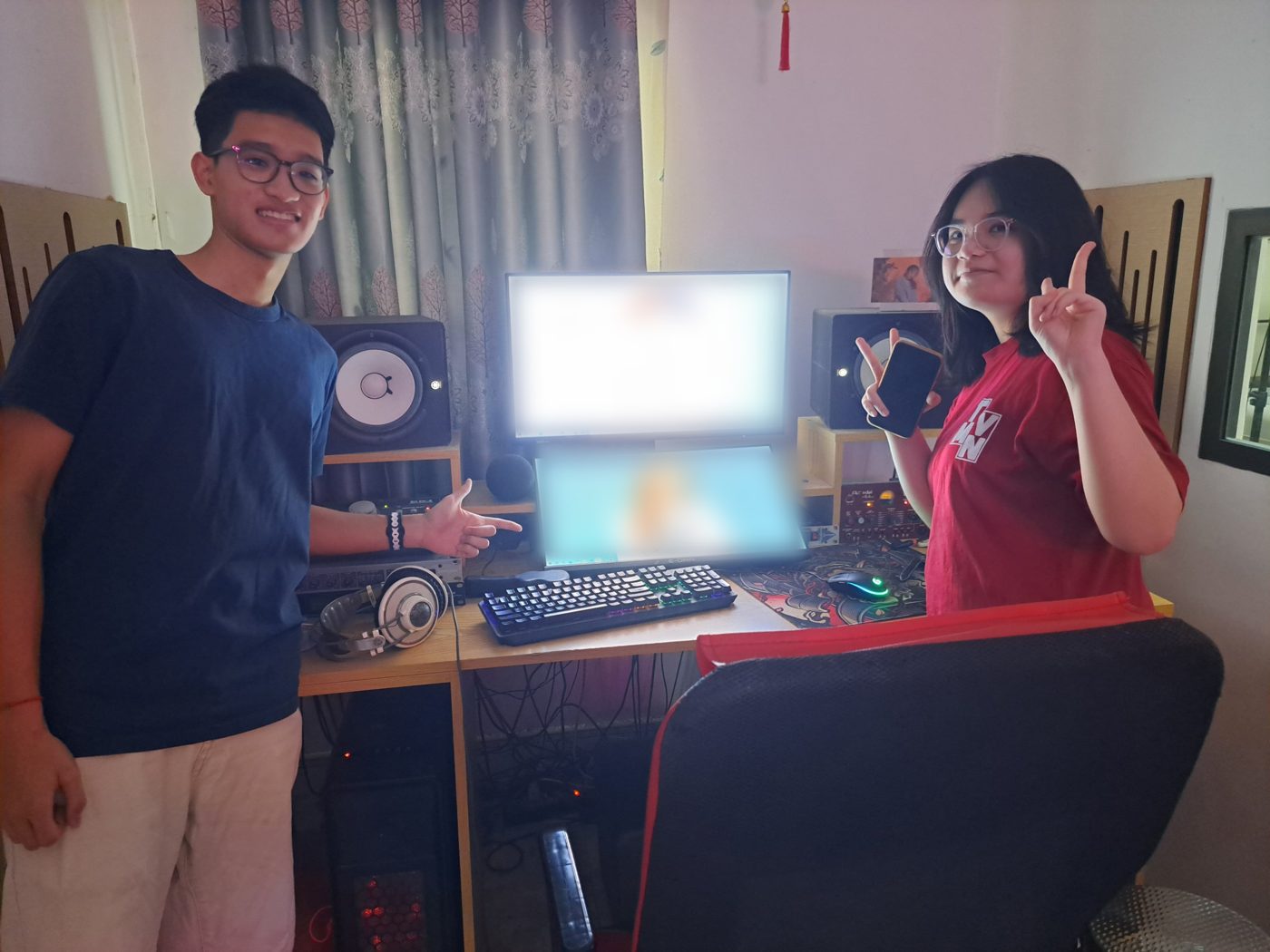
April 25 was my first ever studio recording session, at Sonbass Studio in Hanoi. Inside the studio, I saw the full setup for the first time: the booth, the acoustic panels, the equipment far more detailed than I had imagined from a bedroom setup.
Retakes
A vocal line rarely landed cleanly on the first attempt, and repetition made it harder to judge what actually sounded right.
The rap
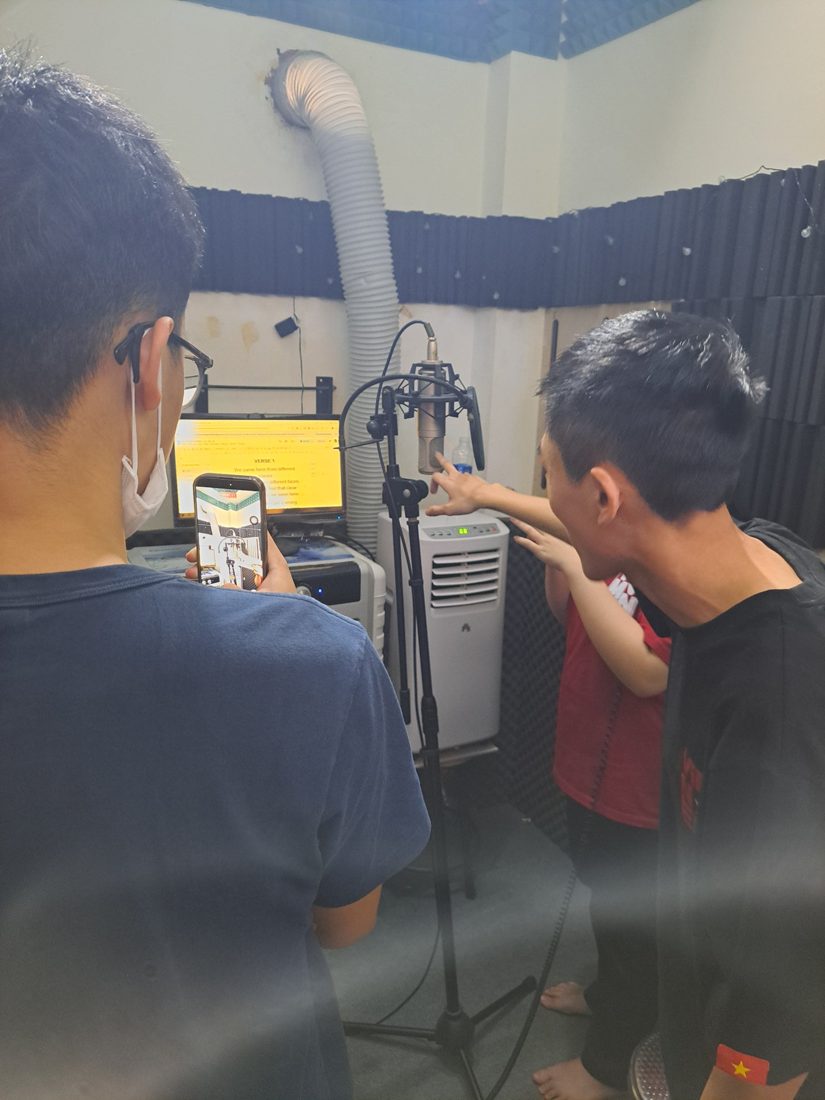
The biggest change of plan came when the singer turned out not to be able to rap. I decided to record that part myself. Standing in the booth was more difficult than I expected, timing was harder to hold, and my tone of voice sometimes needed several corrections.
Even so, hearing my own voice inside a song I had built from nothing was a strange kind of satisfaction.
An idea I had not planned
The young engineer running the session, only twenty-three years old, pushed for something more: dreamy backing vocals layered under the main line. That suggestion added a texture I had not planned for, and it stayed in the final mix.
End of the day
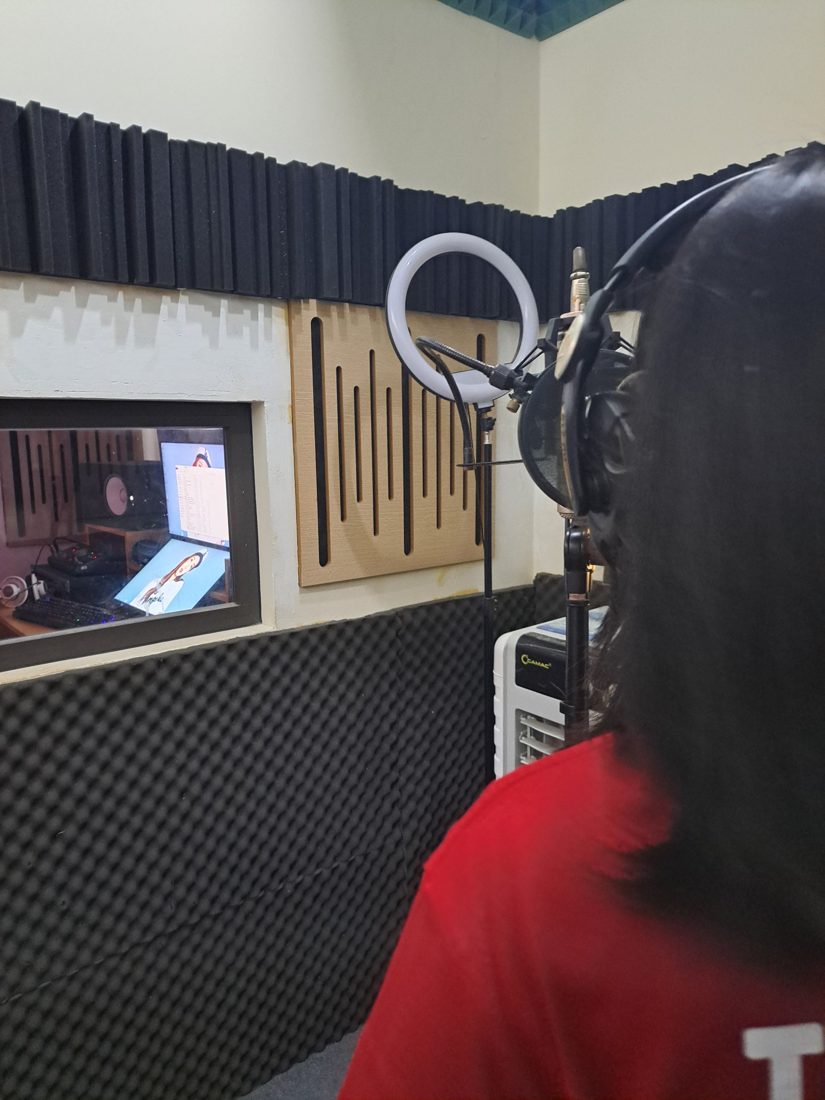
By the end of the day, the vocals were recorded. The reactions of the people around me when they first heard the song made me feel over the moon.
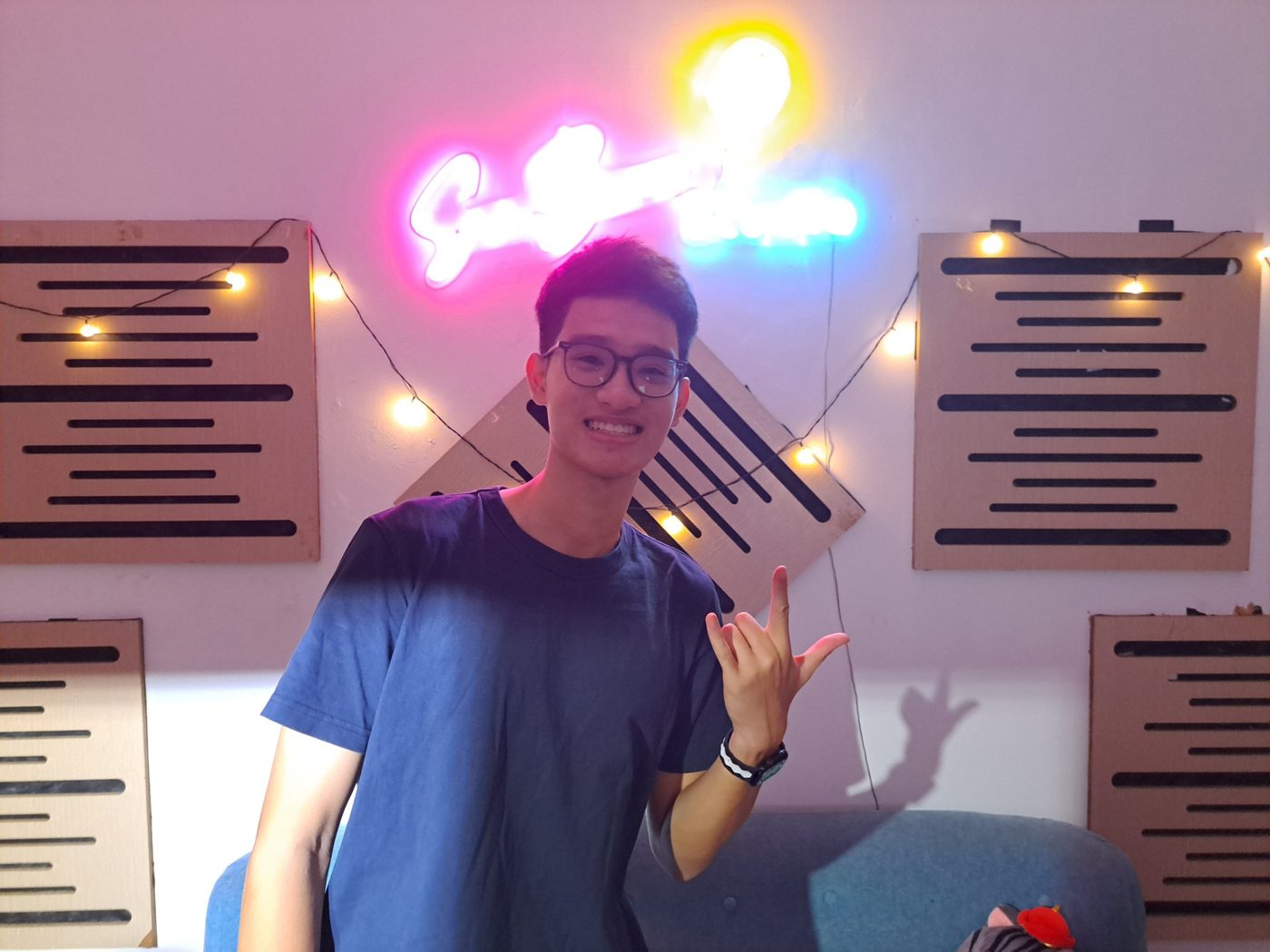
How I made it
What I did
I composed the piece with a clear verse-chorus structure and produced it in FL Studio, using virtual instruments and plug-in loop patterns for the drums.
The song
Piano chords provide a harmonic foundation beneath the lead vocal, while electronic drums and bass carry the song’s upbeat pulse. A riser builds anticipation just before the rap section.
Mixing and mastering
My focus was on keeping the vocal clear and catchy with adjusted reverb, while letting the instrumental layers support the energy of each section.
After finishing the mix, I exported it from FL Studio as a WAV file and imported it into a new project for mastering. I followed a mastering guide that called for small EQ changes, gentle compression and a final limiter. The aim was to make only small changes that served the mix. While I worked, I watched the clarity of the vocal and listened for any distortion.
What I learned
I learned to slow down instead of accepting a take out of impatience.